

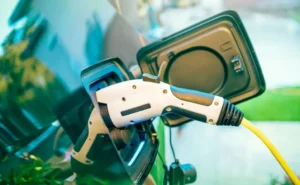
The cities of Nepal, such as Kathmandu, Pokhara, and Lalitpur, will continue to develop, which means the mode of transportation will still be a problem. Urban mobility may be described as crowded roads, increased costs of fuel, and degradation of air quality, which is one of the critical situations in Nepal, and a well-thought-out variant of the problem is electric vehicles.
In recent years, an increasing number of Nepali drivers have been leaning towards EVs, not only because they are the in-thing, but also because they are simply more practical in our cities. In this post, we will analyse why e-cars will be perfect in urban living in Nepal and how they may be the transport of the future. According to our company’s research and survey, out of 100 people, we have listed some reasons why electric vehicles are perfect for Nepal’s urban mobility.
Nepal’s Urban Travel Challenges

One would have seen how crowded and messy the streets are in Kathmandu during the rush hour, given one has ever driven. The roads we use are small, and the roads are always full of traffic, and it is sometimes like there is no parking space available. Put on top of that the increased price of petrol and diesel, and the fact that the air pollution of such cities as Kathmandu is one of the highest in South Asia. As more of the population begins to migrate into urban areas every year, they now need clean and efficient transport more than ever.
What Are EVs?
EVs are vehicles that use electric motors and not traditional fuel engines. Such vehicles are equipped with batteries that are electric-powered. EVs do not pollute any tailpipe emissions, they are soundless, and they are less costly to maintain compared to cars running on fuel.
Why Electric Vehicles Are Ideal for Nepal’s Cities
1. Short Commute Every Day
The majority of journeys undertaken in Nepal cities are of short distances, 10-30 kilometers per day. That covers most of the mileage of almost any EV, so you won’t have to be afraid of a power misfortune on a normal day.
2. Easy to Control Traffic
Electric cars, most of all electric scooters, are small and fit easily into tight lanes. Smaller vehicles also do not cause such a headache in terms of parking.
3. Clean Air All-round
Kathmandu has been dealing with poor quality air. Plunging into electric vehicles, we will have a solution to the problem of pollution and create less congested cities.
4. Reduced costs of operation
Fueling up an EV is far cheaper as compared to petrol or diesel tanks. Additionally, fewer parts are in motion, so maintenance is also cheaper.
5. Government Support
The Nepal government has reduced customs duties and taxes on the importation of EVs. Policies that favour EV support in Nepal are also in place in terms of support of EV in terms of public transport and subsidies.
6. Green Energy Advantage
Nepal contributes the largest part of its electricity through hydropower as compared to many countries. This goes to make EVs, in this case, even greener, since they will be running on clean, renewable energy rather than fossil fuels.
Electric Scooters: A Game Changer

Electric scooters are gaining popularity in urban areas such as Kathmandu and Bhaktapur, as these are being used by students and by those who commute to offices. These are cheap to buy, they are comfortable, and ideal when going local.
A cocoon of stunning looks, smartphone connections, allows the popular brands of NIU, Yadea, and Lvneng to be convenient in urban contexts with excellent battery range.
Explore the best electric scooters in Nepal!
What About Charging Stations?

Electric vehicles charging stations are one of the concerns that people have. However, the good news is that things are changing rapidly. Charging stations are now available in several places in Kathmandu, Lalitpur, Pokhara, and Highways. NEA and other private dealers are also on the quest to increase the availability of electric vehicles charging stations in Nepal.
And, there are even individuals who are now having home chargers installed, particularly the house or apartment people with personal parking.
Common Concerns and Real Solutions
Myth: EVs cannot tackle the hills.
Fact: In the case of modern EVs, in particular cars and scooters sold in Nepal, hills and harsh roads are taken into account during construction.
Myth: Charging can take ages.
Fact: Fast-charging possibilities exist, and the majority of the population charges at home overnight when the electricity rate is less expensive.
Myth: EVs are expensive.
Facts: Though initially, some models may be a bit more expensive, you will save money on fuel and maintenance in the long-term perspective.
The Bigger Picture: Environment & Economy
Not only is it convenient enough to start using electric vehicles, but it is also our future. EVs take us off the reliance on foreign fuel, assist in decreasing carbon emissions, and produce a cleaner environment. When EV production is properly planned, it a possible to lead to employment, technology growth, and a cleaner economy in Nepal.
Looking Ahead: A Smarter, Greener Nepal
The number of EV models that enter the Nepali market is increasing every year. A greater number of charging stations are under construction. And more citizens are experiencing the rewards of being electric drivers. However, when we have good policies, awareness, and change in perspective, it may be time when electric cars become the new norm in our urban centers.
Conclusion
Electric vehicles are an ideal solution to all the requirements of the city of Nepal. They are clean and economical, and urban living is friendly. Planning to purchase your first EV or simply interested in this change, then there is no better time to know more and become a part of a movement. Nepal possesses the appropriate resources and even the expanding infrastructure that can accommodate a cleaner and smarter transport system. And EV in Nepal is no more a trend, and it is the future.
FAQs on Why Electric Vehicles Are Perfect for Nepal’s Urban Mobility
So is the electric cars good news for the Nepal roads?
Yes, the majority of new EVs can deal with the urban and mountain structure of Nepal.
Where are the electric vehicles charging stations in Nepal?
Electric charging points are in big cities like Kathmandu, Pokhara, and on highways. They are constantly being added.
Can electric scooters be used for travelling?
Absolutely! They are cheap, readily parked, and perfect to meet short to medium distances of travel within the cities.
Can electric scooters be used for travelling?
Absolutely! They are cheap, readily parked, and perfect to meet short to medium distances of travel within the cities.
Can EVs work in Nepal without power cuts?
The economy of Nepal has seen a great change in the provision of electricity, and a majority of regions are experiencing steady electricity, especially at night, to charge their homes.
What is the charging time course of an electric vehicle?
It is charger and vehicle dependent. Normal charging at home can take between 6-8 hours, whilst fast chargers can charge in 1-2 hours.